
Saturday, April 4, 2026
  • Home
  • iSPARK-Africa
  • Magazine
  • Concierge
0.00$ 0 Cart

My Account

Home»Just In»From food waste to wealth: Teesside University supports Nigerian farmers
Just In

From food waste to wealth: Teesside University supports Nigerian farmers

AdminBy AdminApril 23, 2024Updated:April 23, 2024No Comments2 Mins Read
Facebook Twitter Pinterest LinkedIn Tumblr Email
Share
Facebook Twitter LinkedIn Pinterest Email
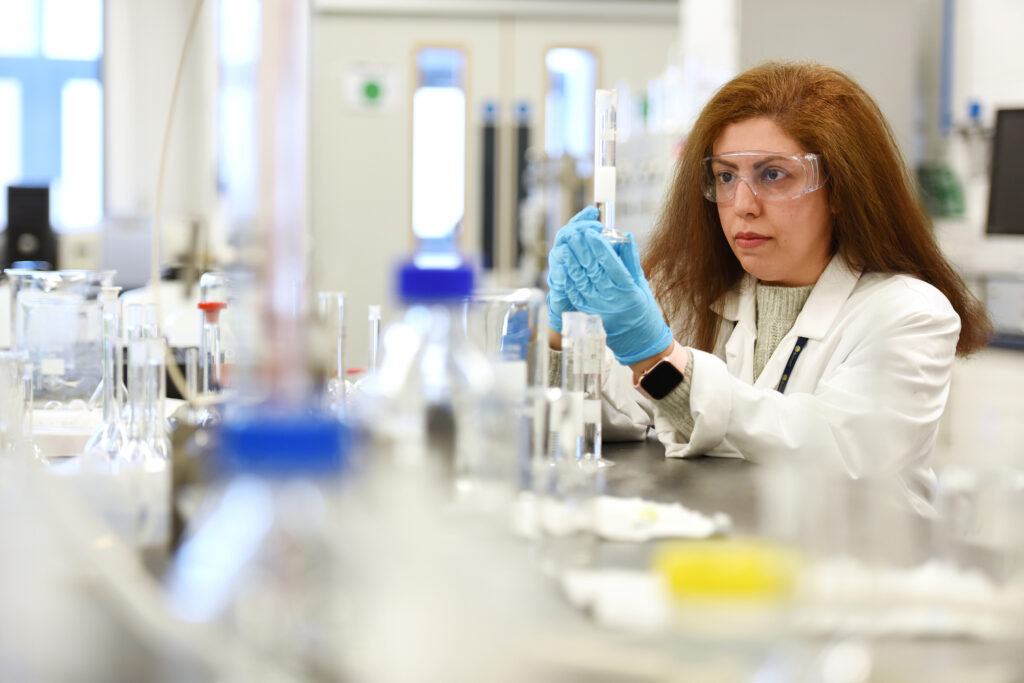
Dr Tannaz Pak, an Associate Professor in Energy and Environmental Engineering, leads the Teesside University team in a collaboration with Nigeria’s University of Ibadan and Niji Group to turn food waste into valuable material 📸tees.ac.uk

Academics from Teesside University are collaborating with counterparts in Nigeria on a groundbreaking project to turn food waste into a valuable material used to restore the environment and remove carbon dioxide from the atmosphere.

The University is teaming up with the University of Ibadan and Niji Group, a Nigerian agricultural company, to deliver an African Agricultural Knowledge Transfer Partnership (AA KTP) project, looking at how waste from the cassava plant can be used to produce biochar – a charcoal-like product which has multiple useful properties, including removing contamination from water and soil, enriching soil and sequestering carbon.
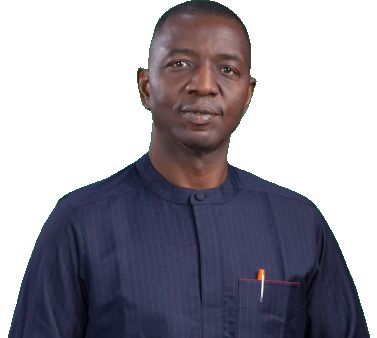
Kolawole Adeniji (Founder & CEO, Niji Group)

Nigeria is the world’s largest producer of cassava, growing approximately 59.5 million tonnes of the crop each year. Cassava is a staple ingredient in a lot of African cuisine due, in part, to its cost-effectiveness and nutritional value.

Removing the husks and fibres of the cassava root in order to make it fit for consumption generates waste which would ordinarily go to landfill. This, in turn, results in significant CO2 emissions, increased transportation, fuel and labour costs and the potential for environmental pollution.

This project will help the Niji Group, which holds the largest cassava farms in west Africa, to generate a new revenue stream by valorising their waste to develop biochar. The biochar is produced by heating the cassava waste in the absence of oxygen in a process known as a pyrolysis. The biochar quantity and quality depends on the process conditions and equipment.

The project will work with the Nigerian partners to analyse the produced biochar to study its quality and value. This new product will enable soil enhancement and water treatment while sequestering carbon for centuries and significantly reduce Niji Group’s environmental impact.

In addition, it will facilitate the creation of new jobs to operate the pyrolysis units and prepare, package and transport the produced biochar, and also free valuable agricultural land that might otherwise have been used as a dumping area for the cassava waste.

Share. Facebook Twitter Pinterest LinkedIn Tumblr Email

MOST READ POSTS

Innovation hubs: Nominate your top startups!

October 6, 2025

Apply: Africa Climate Accelerator by Impact Hub Lagos

October 6, 2025

Become a world-class full-stack developer, at zero cost

September 20, 2025

Leave A Reply Cancel Reply


The reCAPTCHA verification period has expired. Please reload the page.

In the News

Africa’s investment landscape is evolving fast — driven by bold thinkers, global bridge-builders, and new-generation fund managers who see opportunity where others see risk. From venture capital to private equity, climate infrastructure to fintech, these individuals are shaping the flow of capital into the continent’s most dynamic sectors

Innovation hubs: Nominate your top startups!

Apply: Africa Climate Accelerator by Impact Hub Lagos

Paga officially launches in the U.S., offering Diaspora Africans seamless cross-border payments, simplified transfers to family and businesses back home

Moniepoint, one of Africa’s fastest-growing fintech companies, breaks into the UK market, and earns spot among leading fintechs, What this development means for its users

Mayowa Olugbile: “Africa’s approach to AI does not need to replicate the strategies of the US, China, or Europe. The continent’s strength lies in applying AI to immediate, high-impact challenges—optimizing smallholder farm yields, extending healthcare to underserved communities, and improving local infrastructure and logistics”

Adebayo Ajibade tells how, at the latest Loubby AI Automation Bootcamp, more than 3,000 emerging talents began mastering the tools that power today’s digital economy. In just weeks, these learners have built solutions that rival global startups

ABAN Congress 2025 heads to Lagos

GIZ-SAIS Investment Readiness Program 2026

2025-2026 fully funded scholarships (undergrad, Master’s, Ph. D) – no application fees, IELTS/ TOEFL required

COMPANY

  • About B&E
  • MoJo4TheMasses
  • Contact Us
  • Magazine
Instagram Linkedin
© 2023 Bank & Entrepreneur
  • Privacy Policy
  • Terms of Use

Type above and press Enter to search. Press Esc to cancel.